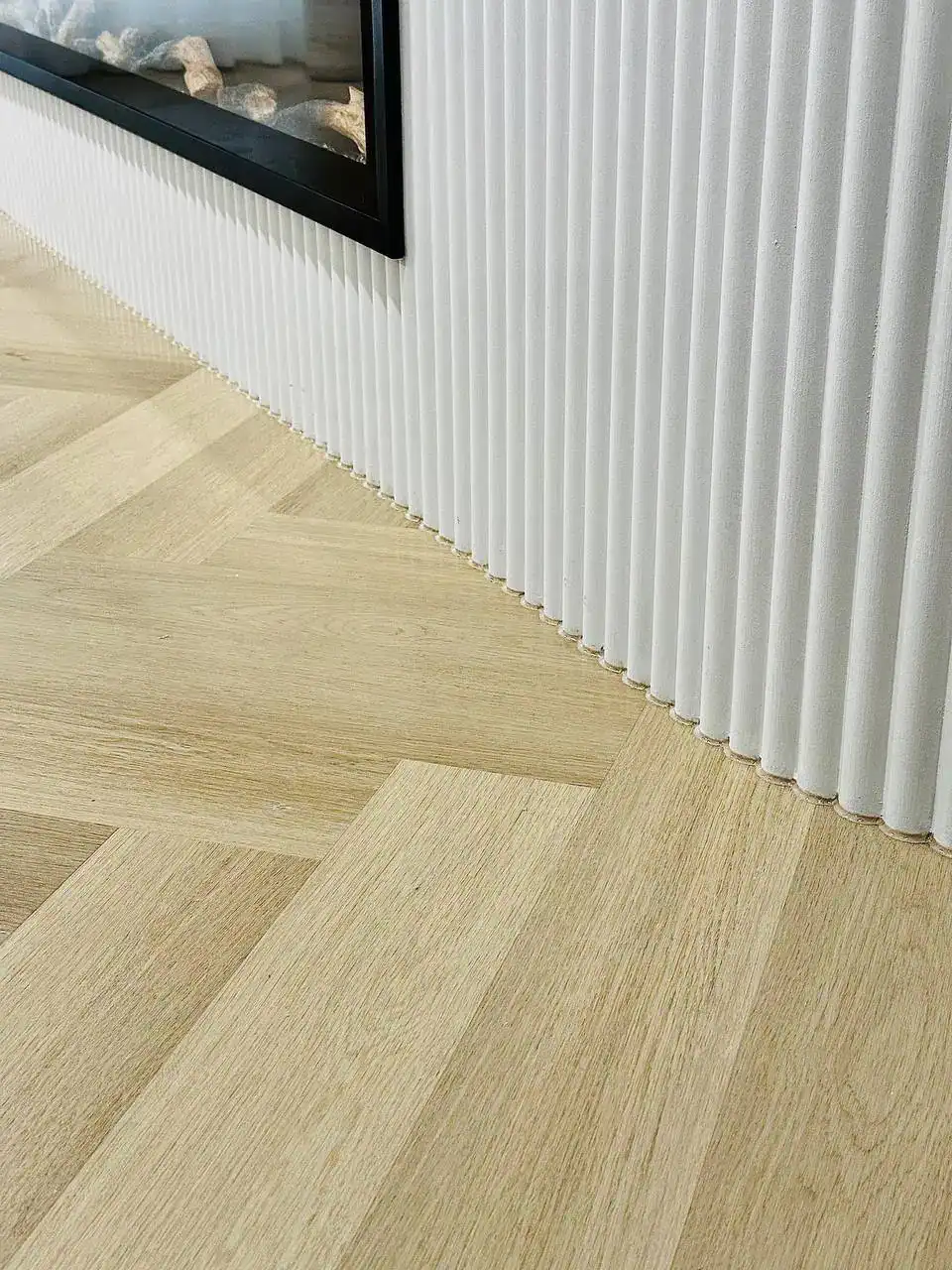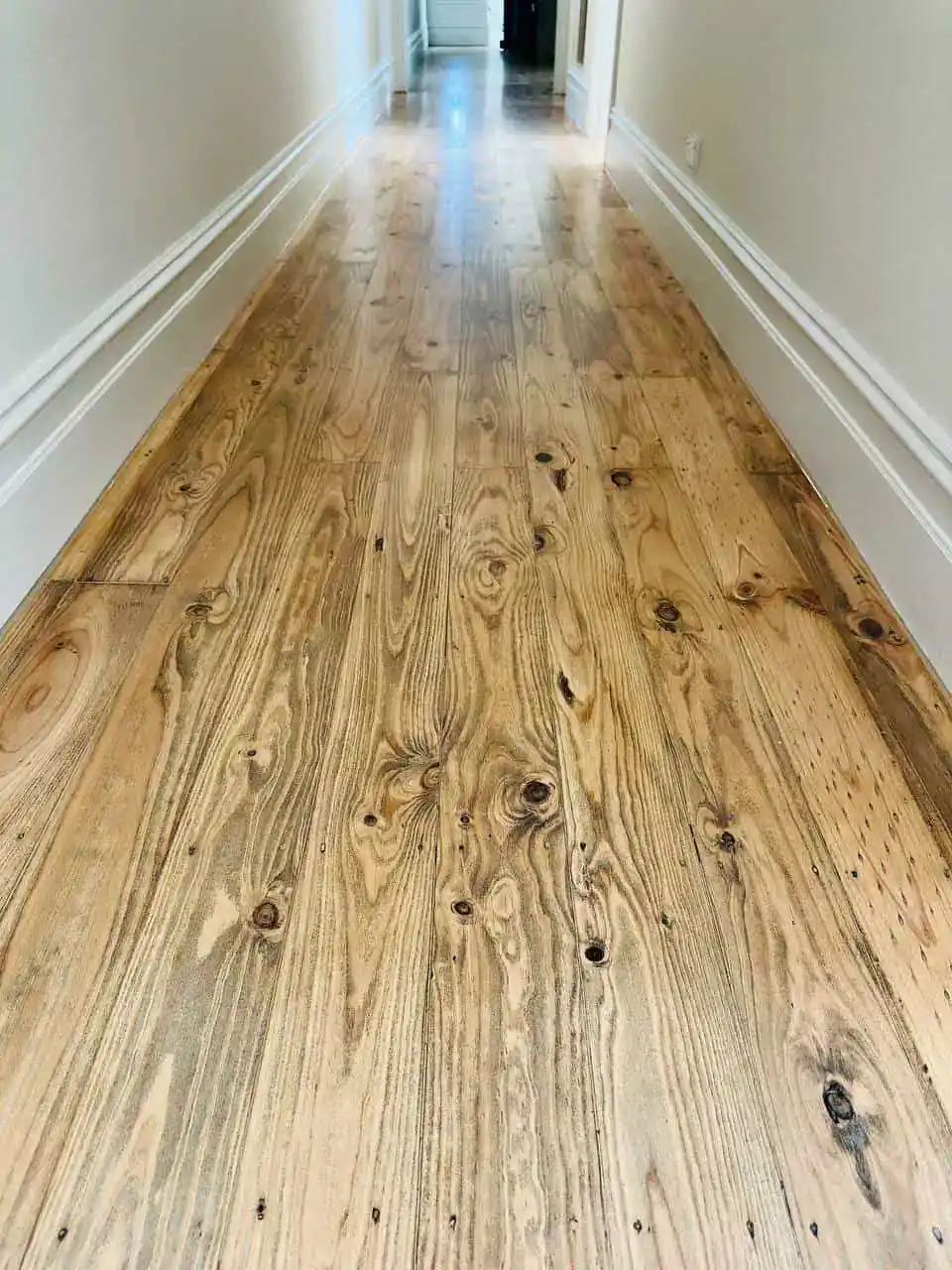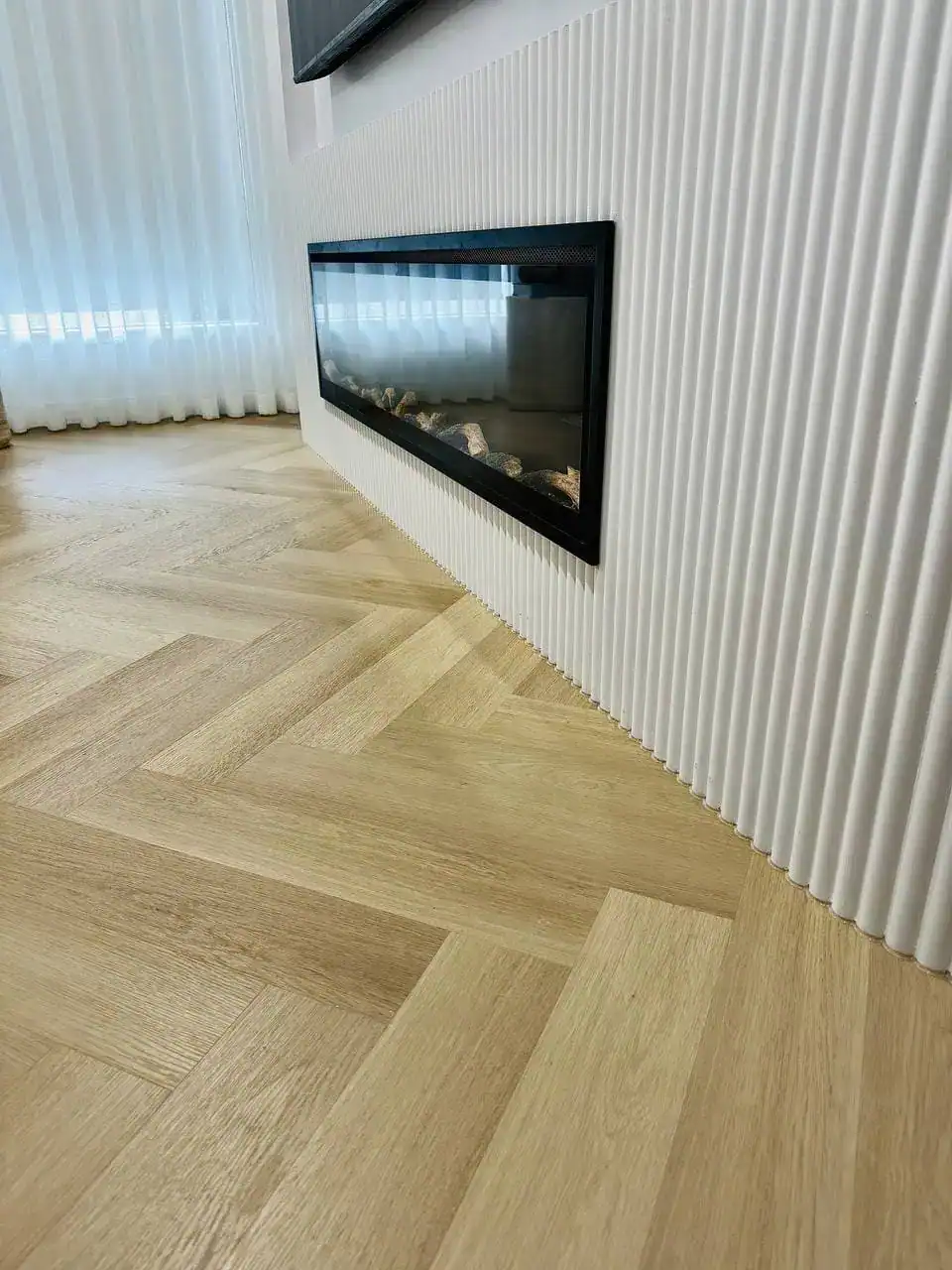
Caulking is the process of sealing gaps, joints and small openings between different surfaces to help prevent water, moisture, air and dust from getting through.
In residential and commercial properties, caulking is commonly used around showers, bathrooms, kitchens, windows, floors, skirting boards and other areas where two surfaces meet.
At MB Caulking Services, we specialise in professional silicone caulking and re-caulking throughout Melbourne.
Caulking can be found throughout most buildings. Common applications include:
• Bathrooms and showers
• Kitchen splashbacks and benchtops
• Windows and door frames
• Expansion joints
• Concrete control joints
• Floor joints
• External wall penetrations
• Commercial and industrial buildings
Many silicone and polyurethane sealants are waterproof and designed to prevent water ingress.
Silicone sealants are highly flexible and waterproof, making them ideal for bathrooms, kitchens and external applications.
- Sealant Best used for
Silicone Showers, bathrooms, kitchens, wet areas
Polyurethane Expansion & movement joints
Hybrid/MS Selected internal & external applications
Acrylic Some painted internal joints
While DIY caulking may seem straightforward, achieving a long-lasting finish requires proper preparation, joint cleaning and the correct sealant selection. Professional caulking contractors have the experience and tools to ensure durable and visually appealing results.
In most cases, removing and replacing deteriorated caulking provides the best long-term result.
- 0450350597
Why Melbourne Homes Need Professional Caulking
Melbourne properties are exposed to harsh UV rays, temperature changes and constant building movement. Over time, old or poorly installed sealants can crack, shrink or separate from surfaces, allowing water to penetrate behind tiles, window frames and external joints.
Water ingress is one of the most common causes of hidden building damage. Failed sealants around bathrooms, kitchens, windows and expansion joints can lead to mould growth, timber rot and costly repairs if left untreated.
Professional caulking helps maintain a watertight seal while allowing for normal building movement. Using the correct silicone or polyurethane sealant for each application is essential for long-term performance and durability.
Common Caulking Problems We Fix
- Cracked Silicone
Mouldy Shower Sealant
Gaps Around Windows
Expansion Joint Failure
Concrete Joint Deterioration
Caulking should typically be replaced every 5 to 10 years.
However, in high-moisture areas like bathrooms, it may need replacement sooner if cracks or mould appear.
Without proper caulking, water can leak into gaps causing mould growth, structural damage, and costly repairs.
Yes, caulking is essential for sealing joints and preventing water damage, especially in bathrooms, kitchens, and external areas.
Yes, properly installed silicone caulking seals gaps and prevents water from leaking into walls or floors.
Caulking is long-lasting but not permanent. It will eventually need replacement over time due to wear and moisture.
Common areas include bathrooms, showers, bathtubs, kitchens, splashbacks, windows, skirting boards, flooring joints, and external expansion joints. These areas are most exposed to moisture and movement.
The most common materials include silicone, polyurethane, and MS sealants. Each type is selected based on the location, surface type, and exposure to water or movement.
Yes, when applied professionally, caulking creates a watertight seal around showers, bathtubs, and tiles. This helps prevent water from seeping behind surfaces and causing mould or structural damage.
Caulking and grouting are not the same thing.
Grout is generally used to fill the joints between tiles. It creates a relatively hard surface.
Flexible sealant, such as silicone, is commonly used where movement is expected or where different materials meet.
For example, silicone may be used where:
A tiled wall meets a bathtub
A shower floor meets a wall
A kitchen bench meets a splashback
A skirting board meets a floor
Different building materials meet
Using the right material for the right joint is important for a durable result.